

The connection between vitamin D and teeth is one of the most important and most overlooked relationships in dental health. Research now firmly establishes that vitamin D deficiency — which affects over 1 billion people worldwide — directly increases cavity risk, accelerates gum disease, weakens tooth enamel, and slows healing after dental procedures.
In this complete guide on vitamin D and teeth, we cover exactly how this critical nutrient affects every aspect of your dental health, the signs of deficiency to watch for, how much you need, and the best ways to ensure you are getting enough in 2026.
If you are also dealing with bleeding gums — one of the primary signs of vitamin D deficiency — read our guide on how to stop bleeding gums naturally for a complete action plan.
⭐ Quick Answer: Vitamin D and teeth are deeply connected — vitamin D is essential for calcium absorption into enamel, immune defense in gum tissue, dentin formation, and jaw bone density. Deficiency directly increases cavity risk by up to 50% and significantly raises gum disease risk.
Vitamin D and Teeth – Why This Nutrient Is Essential for Dental Health

Most people know vitamin D is important for bone health — but very few realize how directly the vitamin D and teeth relationship affects their daily dental health. Your teeth are living bone — and vitamin D plays just as critical a role in their strength and integrity as it does in skeletal bone.
The vitamin D and teeth connection works through four primary mechanisms that affect every aspect of oral health simultaneously.
Mechanism 1 – Vitamin D Enables Calcium Absorption
This is the most fundamental aspect of the vitamin D and teeth relationship. Without adequate vitamin D your body cannot properly absorb calcium — no matter how much calcium you consume through dairy, leafy greens, or supplements. Calcium is the primary mineral in tooth enamel and jaw bone — without it enamel weakens, jaw bone density decreases, and teeth become structurally vulnerable to decay and loss.
Mechanism 2 – Vitamin D Powers Antimicrobial Defense in Gum Tissue
Vitamin D stimulates the production of antimicrobial peptides — natural compounds produced by gum tissue cells that directly fight the bacteria responsible for gum disease and tooth decay. When vitamin D levels are low this antimicrobial defense weakens significantly — allowing harmful bacteria to proliferate in the gum tissue driving inflammation and disease progression. This is a critical aspect of the vitamin D and teeth relationship that most dentists do not discuss with patients.
Mechanism 3 – Vitamin D Is Required for Dentin Formation
Vitamin D is directly required for the production of dentin — the hard calcified tissue that makes up the bulk of each tooth beneath the enamel surface. Without adequate vitamin D during development teeth form with structural deficiencies that make them permanently more vulnerable to decay throughout life. In adults low vitamin D slows the remineralization of early-stage enamel damage.
Mechanism 4 – Vitamin D Regulates Immune Function in Oral Tissue
Vitamin D is one of the most powerful modulators of immune function in the body. In oral tissue specifically it reduces chronic inflammatory responses to bacterial infection — directly lowering the inflammatory damage that drives gum recession, pocket formation, and eventual tooth loss in periodontitis. Understanding the vitamin D and teeth immune connection helps explain why diabetics and older adults — both groups with typically lower vitamin D levels — have dramatically higher gum disease rates. Read our guide on the signs of gum disease to never ignore for more context.
7 Shocking Ways Vitamin D Deficiency Damages Your Teeth
Damage #1 – Significantly Higher Cavity Risk
The vitamin D and teeth cavity connection is one of the most well-established findings in dental nutrition research. A landmark review published in the journal Nutrition Reviews found that vitamin D supplementation reduced cavity incidence by approximately 50% in controlled trials — making vitamin D deficiency one of the most significant and most correctable nutritional risk factors for tooth decay.
According to research published by the National Institutes of Health, children and adults with adequate vitamin D levels have significantly lower rates of dental cavities than those with deficiency — independent of fluoride exposure and oral hygiene habits.
Damage #2 – Dramatically Increased Gum Disease Risk
The vitamin D and teeth gum disease relationship is powerful and well-documented. Vitamin D deficiency impairs the immune response in gum tissue — allowing harmful bacteria to proliferate and inflammation to become chronic. Research consistently shows that people with low vitamin D levels have significantly higher rates of both gingivitis and periodontitis — and that supplementation measurably improves gum health outcomes.
Damage #3 – Enamel Defects and Hypoplasia
Severe vitamin D deficiency during childhood — especially during the first 1000 days of life when teeth are forming — causes enamel hypoplasia. This is a developmental defect where enamel forms incompletely — resulting in teeth that are structurally weaker, more porous, and dramatically more susceptible to decay throughout life. The vitamin D and teeth developmental connection is one of the most important reasons to ensure adequate vitamin D in children.
Damage #4 – Slower Healing After Dental Procedures
After dental procedures — extractions, gum surgery, implant placement — adequate vitamin D is essential for rapid and complete healing of oral tissues. Vitamin D deficiency significantly slows the healing process, increases infection risk, and raises implant failure rates. If you are planning any dental procedure optimizing your vitamin D and teeth status beforehand is highly beneficial.
Damage #5 – Jaw Bone Loss
Since vitamin D is essential for calcium absorption and bone density maintenance vitamin D deficiency contributes directly to jaw bone loss. The jaw bone provides the structural foundation that anchors teeth — as it weakens and resorbs teeth become loose and eventually may be lost even without advanced gum disease. The vitamin D and teeth jaw bone relationship is especially important for adults over 50.
Damage #6 – Increased Tooth Sensitivity
As enamel weakens from inadequate calcium absorption — itself caused by insufficient vitamin D — teeth become more sensitive to temperature changes, acidic foods, and sweet foods. Many people experiencing new or worsening tooth sensitivity have low vitamin D levels as a contributing factor — yet this connection is rarely investigated clinically.
Damage #7 – Higher Risk of Tooth Loss in Older Adults
The cumulative effects of the vitamin D and teeth relationship over decades — reduced enamel strength, impaired immune defense, accelerated gum disease, and jaw bone loss — make vitamin D deficiency one of the most significant modifiable risk factors for tooth loss in older adults. Ensuring adequate vitamin D levels throughout adulthood is one of the most important long-term strategies for keeping your teeth for life.
Signs You May Be Vitamin D Deficient
Many of the signs of vitamin D deficiency overlap with dental symptoms you may already be experiencing:
- 🦷 Frequent cavities despite good oral hygiene
- 🩸 Persistent bleeding or inflamed gums — read our guide on how to improve gum health naturally
- ❄️ Increased tooth sensitivity to temperature
- 🦴 Slow healing after dental procedures
- 😴 Fatigue and low energy levels
- 🦵 Bone or muscle aches
- 🤒 Frequent infections — immune system weakness
- 😔 Low mood — especially in winter months
The only reliable way to confirm vitamin D deficiency is a blood test measuring 25-hydroxyvitamin D levels. Ask your doctor for this test. Most healthcare providers consider levels below 20 ng/mL deficient — with optimal levels for the vitamin D and teeth relationship between 40 and 60 ng/mL.
Who Is Most at Risk of Vitamin D Deficiency?
- 🌍 People living in northern latitudes with limited sunlight exposure — including much of the USA, Canada, and northern Europe
- 👴 Older adults — skin produces significantly less vitamin D from sunlight with age
- 🏠 People who spend most of their time indoors
- 🧴 Those who consistently use high-SPF sunscreen — blocks vitamin D synthesis
- 🌑 People with darker skin tones — melanin reduces vitamin D synthesis efficiency
- ⚖️ People who are obese — vitamin D is fat-soluble and becomes sequestered in fat tissue
- 💊 People taking certain medications — some interfere with vitamin D metabolism
How to Optimize Vitamin D for Dental Health
Source 1 – Sunlight Exposure
Your skin synthesizes vitamin D when exposed to UVB rays from direct sunlight. Aim for 10 to 30 minutes of midday sun exposure on arms and legs several times per week. Note that glass blocks UVB rays so sun exposure through windows does not produce vitamin D regardless of how bright the sunlight appears.
Source 2 – Dietary Sources of Vitamin D
- 🐟 Fatty fish: Salmon, mackerel, sardines — highest natural food sources of vitamin D by far
- 🥚 Egg yolks: Modest but useful contribution to daily vitamin D intake
- 🍄 UV-exposed mushrooms: One of the only meaningful plant sources of vitamin D
- 🥛 Fortified dairy and plant milks: Major vitamin D source for many people
- 🥣 Fortified cereals: Contributes to daily intake especially for children
Read our complete guide on the best foods for healthy teeth for more on dietary strategies for optimal dental nutrition.
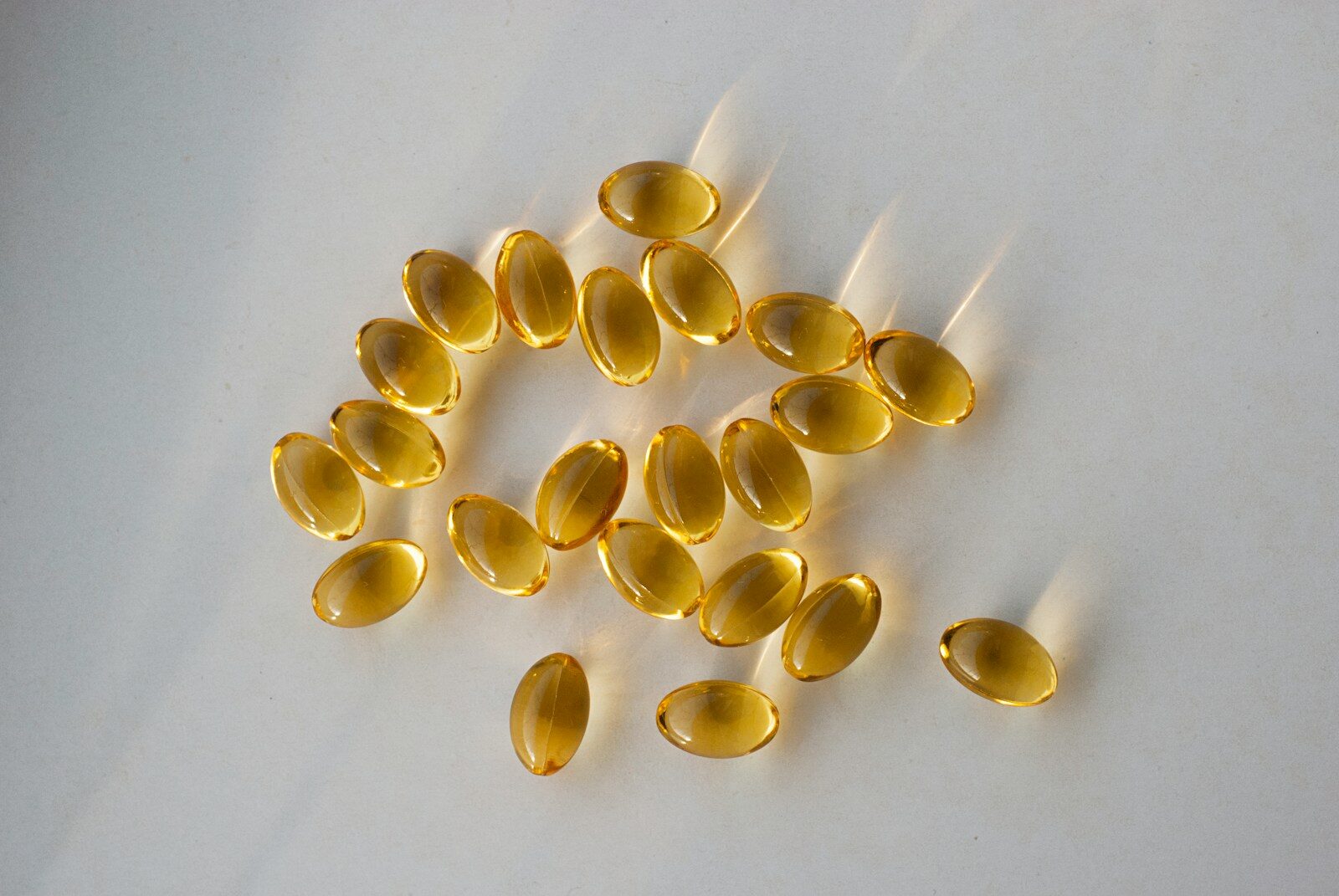
Source 3 – Vitamin D3 Supplementation
For most people living in northern climates or spending significant time indoors diet and sunlight alone are insufficient to maintain optimal vitamin D and teeth levels. Vitamin D3 supplementation is safe, inexpensive, and highly effective at correcting deficiency.
- Maintenance dose: 1000 to 2000 IU of vitamin D3 daily for most adults
- Deficiency correction: 4000 IU daily under medical supervision
- Always combine with vitamin K2: K2 directs calcium to bones and teeth rather than arteries — the combination is more effective than either alone
- ⚠️ Very high doses above 10000 IU daily can cause toxicity — always consult your doctor before taking high-dose vitamin D
Vitamin D, Teeth, and Oral Probiotics – The Complete Approach
Optimizing the vitamin D and teeth relationship works best as part of a comprehensive oral health strategy. The most effective approach combines adequate vitamin D for immune defense and calcium absorption with oral probiotic supplementation for microbiome balance and bacterial control.
The best-reviewed oral health supplements in 2026 — ProDentim, Denticore, and ProvaDent — address the bacterial and microbiome side of oral health while vitamin D supplementation addresses the immune and mineral absorption side. Used together these approaches cover every major driver of gum disease and tooth decay simultaneously. Compare all options in our guide to the best dental supplements of 2026.
Frequently Asked Questions
How does vitamin D affect teeth specifically?
Vitamin D and teeth are connected through four primary mechanisms — calcium absorption for enamel strength, antimicrobial peptide production for gum defense, dentin formation for tooth structure, and immune regulation to prevent chronic gum inflammation. Deficiency in any of these areas directly increases cavity and gum disease risk.
Can vitamin D reverse gum disease?
Vitamin D supplementation cannot reverse established periodontitis — but correcting deficiency significantly improves the immune response in gum tissue making it easier for other treatments to work. Combined with improved oral hygiene and oral probiotic supplementation addressing vitamin D deficiency can contribute meaningfully to gum disease management.
How much vitamin D do I need for healthy teeth?
For optimal vitamin D and teeth health most adults need blood levels of 40 to 60 ng/mL. This typically requires 1000 to 2000 IU of vitamin D3 supplementation daily alongside reasonable sunlight exposure and dietary sources — though individual needs vary significantly. Get your levels tested to know your specific situation.
Should I take vitamin D with calcium for teeth?
Yes — vitamin D and calcium work synergistically for teeth. Vitamin D enables calcium absorption and directs it to enamel and jaw bone. Taking both together is more effective than either alone. Adding vitamin K2 to direct calcium to bones and teeth rather than soft tissue makes the combination even more beneficial for dental health.
Does vitamin D help with tooth sensitivity?
Yes — by supporting enamel remineralization and reducing gum inflammation that causes recession-related sensitivity the vitamin D and teeth relationship directly affects tooth sensitivity. Many people with unexplained tooth sensitivity have low vitamin D as a contributing factor that is rarely investigated clinically.
Affiliate Disclosure: This article contains affiliate links. If you click and purchase, we may earn a commission at no extra cost to you. See our Affiliate Disclosure for full details.
Medical Disclaimer: This content is for informational purposes only and does not constitute medical advice. Always consult your doctor before starting any supplement regimen especially at higher doses. These statements have not been evaluated by the FDA.